Zarmed University Health Advancing Medical Excellence Through Education

Zarmed University Health

Advancing Medical Excellence Through Education

Latest Articles

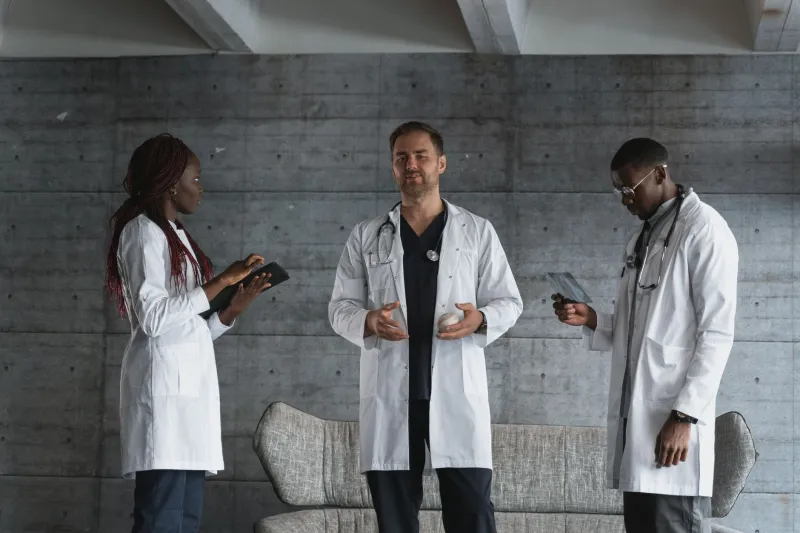
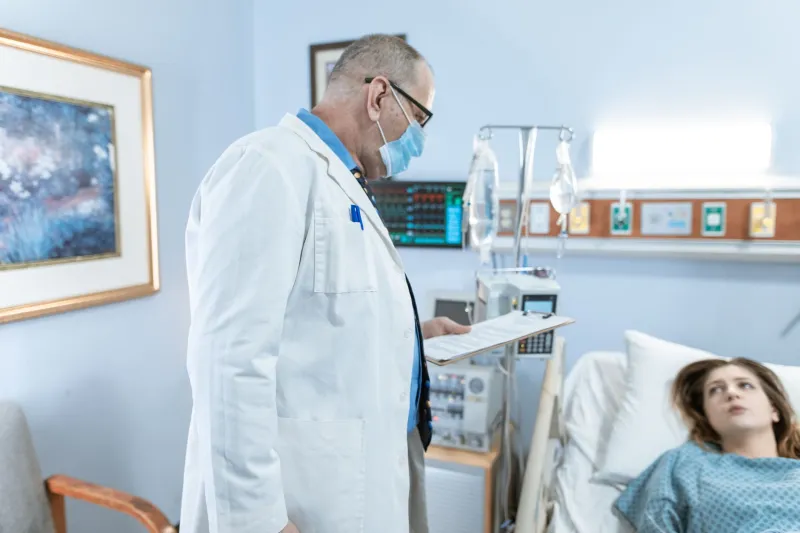
Lost in Translation: The Hidden Cost of Poor Communication Between Physicians and Nursing Staff
Medical Education

Lost in Translation: The Hidden Cost of Poor Communication Between Physicians and Nursing Staff

Despite decades of interprofessional education initiatives, communication breakdowns between physicians, nurses, and allied health professionals remain one of the leading contributors to preventable medical errors in US hospitals. This article examines why conventional teamwork training repeatedly falls short in high-pressure clinical environments and highlights the simulation-based and protocol-driven models that are genuinely changing outcomes. Understanding where education has failed is the f

Straight A's, Struggling Residents: Rethinking What Medical School Metrics Actually Measure
Resident Wellness

Straight A's, Struggling Residents: Rethinking What Medical School Metrics Actually Measure

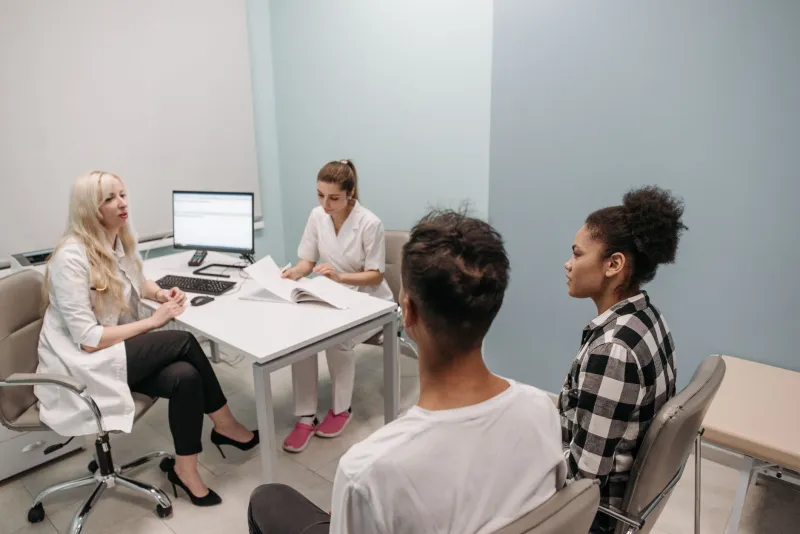
A growing body of research and a chorus of frustrated residency program directors are raising an uncomfortable question: do strong medical school grades and board scores actually predict who will become an excellent physician? This investigation examines the widening disconnect between academic performance in controlled settings and real-world clinical judgment, and explores why medical education may be optimizing for the wrong outcomes. The case for fundamentally rethinking how we evaluate phys

Wellness as a Core Competency: How Medical Schools Are Rewriting the Rules of Physician Training
Medical Education

Wellness as a Core Competency: How Medical Schools Are Rewriting the Rules of Physician Training

A growing number of US medical schools are embedding structured wellness education directly into their core curricula, treating physician wellbeing not as an elective concern but as a foundational clinical skill. Evidence suggests this shift is improving student retention, reducing attrition, and producing physicians better equipped to sustain long careers. This article examines the institutions leading the transformation and the frameworks others can adopt.

Virtual Care, Real Gaps: Why Telemedicine Training Has Not Kept Pace With Modern Medical Practice
Resident Wellness

Virtual Care, Real Gaps: Why Telemedicine Training Has Not Kept Pace With Modern Medical Practice

Despite telemedicine's permanent integration into US healthcare delivery, most medical school curricula have yet to formalize training in the competencies virtual care demands. Residents are entering clinical environments where remote consultations are routine, yet few have received structured instruction in the communication techniques, diagnostic reasoning adaptations, or platform-specific skills that effective telehealth requires. This article documents the gap and identifies programs and str

The Board Exam Trap: Why Cramming Is Costing Physicians More Than a Test Score
Resident Wellness

The Board Exam Trap: Why Cramming Is Costing Physicians More Than a Test Score

Conventional board exam preparation — characterized by marathon study sessions, high-volume question banks, and anxiety-fueled cramming — has long been accepted as an unavoidable rite of passage in American medical training. But mounting evidence suggests this approach is not only ineffective for long-term knowledge retention; it is actively contributing to physician burnout at a stage when trainees are most vulnerable. This article makes the case for dismantling outdated preparation culture and

From Cadavers to Code: How AI and Simulation Are Redefining Clinical Skill Development
Medical Education

From Cadavers to Code: How AI and Simulation Are Redefining Clinical Skill Development

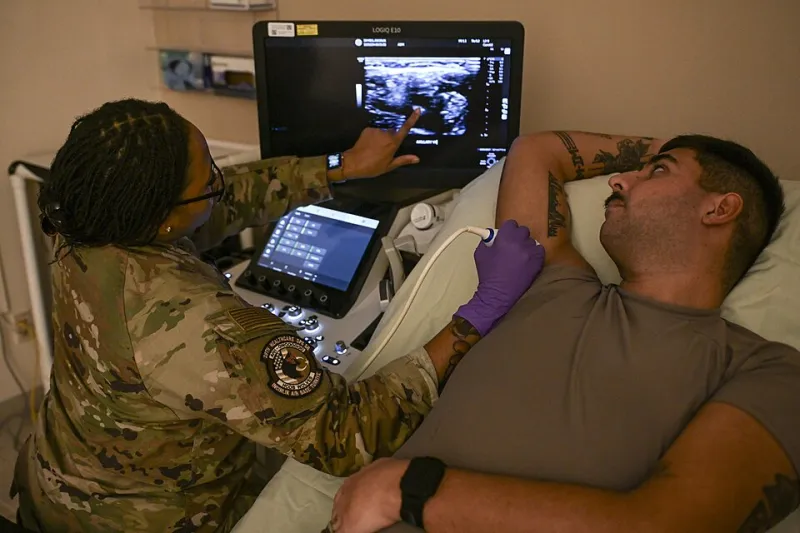
Artificial intelligence and high-fidelity simulation are no longer experimental additions to medical curricula — they are rapidly becoming foundational pillars of clinical training in the United States. This article examines how these technologies are transforming the way future physicians learn, practice, and are assessed, while raising important questions about preserving the human dimensions of medicine. Educators and trainees alike must understand both the promise and the complexity of this

Bridging the Divide: How Forward-Thinking Medical Schools Are Closing the Rural Health Education Gap
Medical Education

Bridging the Divide: How Forward-Thinking Medical Schools Are Closing the Rural Health Education Gap

Millions of Americans living in rural and underserved communities face a persistent shortage of qualified physicians, a crisis rooted in part within the walls of medical school classrooms. Zarmed University Health examines how innovative training models, rural immersion programs, and mentorship pipelines are reshaping medical education to meet this urgent national need. The transformation of how physicians are trained may hold the key to reversing decades of healthcare inequity.

Five Evidence-Based Strategies Every Medical Resident Should Use to Protect Their Mental Health During Training
Resident Wellness

Five Evidence-Based Strategies Every Medical Resident Should Use to Protect Their Mental Health During Training

Medical residency is among the most demanding professional experiences a person can undertake, and the mental health toll it exacts on trainees has reached crisis proportions across the United States. Research consistently links resident burnout to compromised patient safety, increased medical errors, and long-term physician attrition — making early wellness education not merely a personal concern, but a public health imperative. Zarmed University Health presents five research-supported strategi